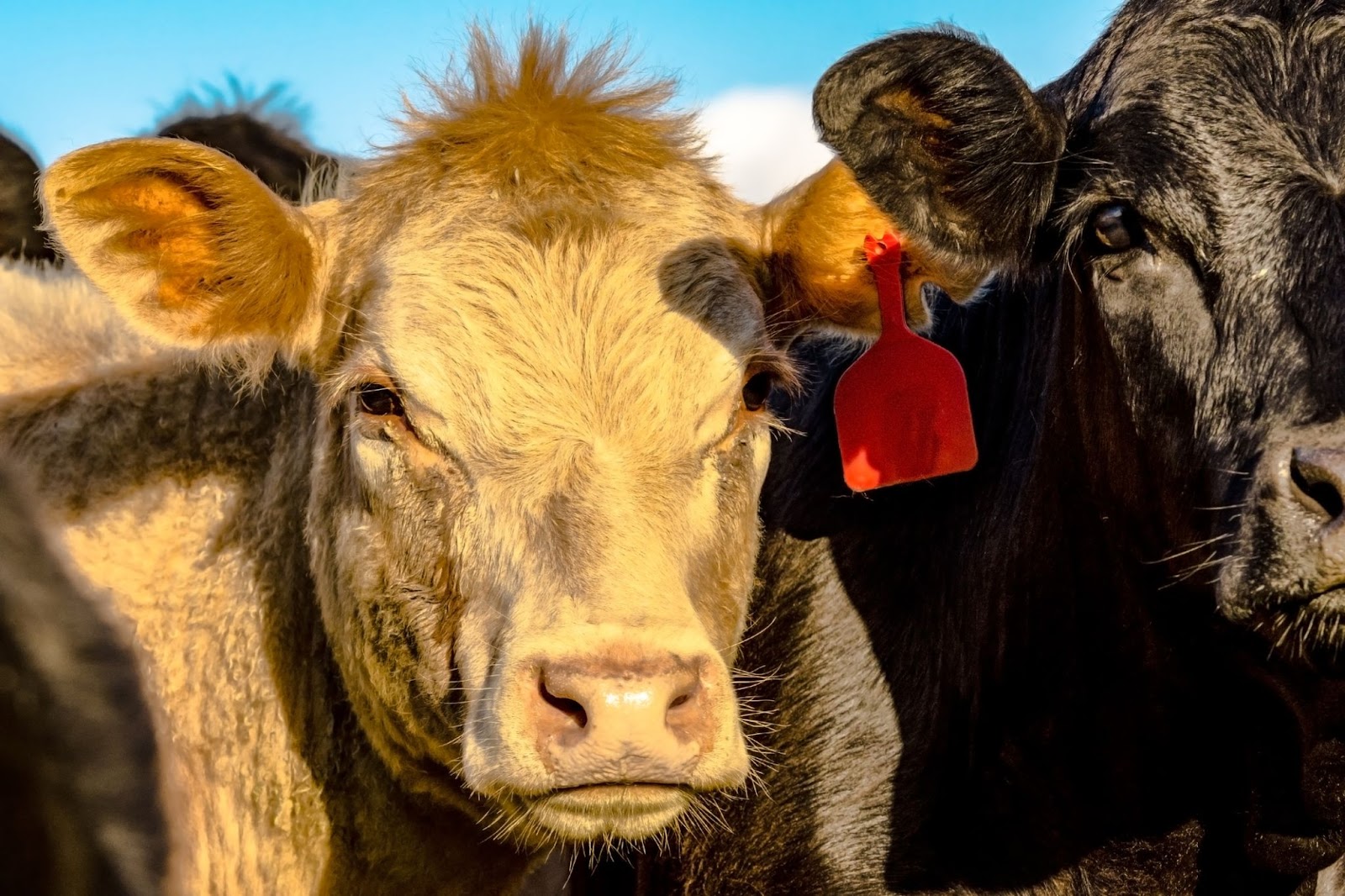
WWhen cattle fall ill, the impact goes far beyond just one animal. Production drops, costs rise, and the stress of not knowing what you’re dealing with can take a large toll. Common cattle illnesses can spread quickly through a herd if they aren’t caught early, so the sooner you can identify warning signs, the better your chances of minimizing damage and keeping your operation on track. A watchful eye and a quick response are your best defense against problems that could escalate fast.
That’s where Sinton Vet Clinic comes in. We’re not just here when things go wrong, we’re your trusted partners in prevention, early detection, and timely treatment. If something doesn’t seem right in your herd, give us a call. We’re ready to help you protect what matters most!
Bovine Respiratory Disease (BRD)
Bovine Respiratory Disease, or BRD, is one of the most common and costly health issues cattle owners face. Often called “shipping fever,” it usually affects young animals, especially after weaning, hauling, or any big changes in their environment. Many local ranchers around Sinton notice cases spike after working their herd or moving them between pastures. These transitions, especially when cattle are bunched up in pens or trailers, create the perfect setup for illness to take hold.
Causes: BRD is typically caused by a mix of viruses and bacteria, made worse by stress. Common viral culprits include IBR, BVD, and PI3. Bacteria like Mannheimia haemolytica and Pasteurella multocida often follow those viral infections, making the situation worse.
Warning Signs:
- Nasal discharge
- Rapid or labored breathing
- Depression or lethargy
- Coughing
- Reduced appetite
- Fever (over 104°F)
When to Call the Vet: If you notice any of these signs, especially in more than one animal or for more than a day, it’s a good idea to get your livestock vet involved. With fast and professional care, common cattle illnesses like BRD don’t have to turn into a major setback for your herd.
Bloat
Bloat is a serious and sometimes fatal condition that can sneak up quickly if you’re not watching closely. It happens when gas builds up in a cow’s rumen and can’t escape, putting pressure on the lungs and other organs. This condition is especially common in cattle grazing lush, legume-rich pastures like clover or alfalfa – something many ranchers in the Sinton area deal with during the spring and early summer.
There are two main types:
Frothy Bloat: Caused by a foamy layer that traps gas in the rumen and prevents it from being released naturally.
Free Gas Bloat: Caused by a blockage or an inability to burp, preventing normal gas release.
Warning Signs:
- Noticeable swelling on the left side of the abdomen
- Signs of pain or restlessness, like kicking at the belly
- Trouble breathing
- Sudden collapse, especially in severe cases
When to Call the Vet: Bloat is a true emergency and can be fatal if not treated quickly. If you see signs of swelling and discomfort, especially after recent pasture changes, call your emergency vet right away. Acting fast can save a life and keep a minor issue from becoming a major loss.
Foot Rot
Foot rot is one of those common cattle illnesses that can cause a big headache if not caught early. It’s a painful bacterial infection that affects the soft tissue between the toes, often triggered by standing in wet, muddy, or manure-heavy areas. In South Texas, the problem tends to show up after periods of heavy rain or during humid seasons when pasture conditions get mucky.
Causes: The most common bacterial agents are Fusobacterium necrophorum and Bacteroides melaninogenicus. These bacteria thrive in muddy, low-lying areas, conditions that pop up often during the rainy stretches here in South Texas. Even a small cut or abrasion between the toes can give them an entry point and lead to infection.
Warning Signs:
- Sudden lameness
- Swelling around the hoof
- Foul odor
- Reluctance to move
When to Call the Vet: Mild cases may respond to topical antibiotics and better hygiene, especially if caught early. But if the lameness doesn’t improve or the swelling worsens, it’s time to get your vet involved. If left untreated, that infection can dig deeper into the tissue and cause long-term issues with movement. Over time, this can wear down the animal’s health and productivity, leading to bigger setbacks for your herd.
Mastitis
Mastitis isn’t just a concern for dairy farms; beef cattle can get it too, and the effects can be just as serious. It’s an infection of the udder that can show up fast and hit hard, especially in nursing cows. When left unchecked, mastitis can quickly lead to poor calf growth, reduced milk supply, and ongoing udder issues that are tough to reverse.
Causes: This condition is typically caused by bacteria like Staphylococcus aureus and Streptococcus agalactiae, which often enter through the teat canal. Hot, dusty weather and fly pressure, both common in South Texas, can make things worse by irritating the skin and increasing the chances of infection.
Warning Signs:
- Swollen, hot, or hard udder
- Clotted or discolored milk
- Calf refusing to nurse
- Cow acting irritable or in pain
When to Call the Vet: Don’t wait on this one. If you notice any changes in milk quality or udder appearance, reach out to your vet right away. Mastitis is one of those common cattle illnesses that can escalate quickly if left untreated, and it can have lasting effects on both the cow and her calf. Early treatment not only helps protect your animals but also helps keep your herd’s overall health and productivity on track.

Pinkeye (Infectious Bovine Keratoconjunctivitis)
Pinkeye is one of the more frustrating common cattle illnesses because it spreads fast, causes visible discomfort, and can lead to permanent eye damage if not treated early. Around Sinton, pinkeye tends to flare up during the hottest months when the fly populations spike and when cattle are out on pasture with little shade or fly control.
Causes: The main culprit behind pinkeye is a bacteria called Moraxella bovis. Flies are the usual troublemakers here, carrying the bacteria from one animal to another. The risk goes up when cattle are packed into tight spaces or dealing with eye irritation from dusty conditions or tall grasses.
Warning Signs:
- Excessive tearing
- Cloudiness or ulcers in the eyes
- Swelling and redness
- Sensitivity to light
When to Call the Vet: Pinkeye can turn serious fast, and if it’s not treated early, it can lead to long-term eye damage or even blindness. If you see any of these signs in your herd, separate the affected animal and give Sinton Vet Clinic a call. We’ve helped plenty of local ranchers get ahead of pinkeye and other common cattle illnesses before they spread or cause lasting damage.
Johne’s Disease
Johne’s disease is a slow-moving but serious condition that often goes unnoticed until it’s already taken a toll. It’s a chronic intestinal infection that mostly affects adult cattle, leading to long-term weight loss and ongoing diarrhea. In South Texas, where cattle are often raised in larger herds and rotated through shared pastures, the disease can quietly spread before signs appear. Once symptoms start, the damage is usually well underway.
Causes: Johne’s disease comes from a tough bacteria called Mycobacterium avium subspecies paratuberculosis (MAP). Calves can pick it up by coming into contact with infected manure, water, feed, or even milk. In South Texas, where cattle often share pastures or calving areas, the bacteria can hang around and infect young animals long before symptoms appear. Since the disease progresses slowly, many cattle won’t show signs until years down the line.
Warning Signs:
- Persistent diarrhea
- Weight loss despite good appetite
- Poor coat condition
When to Call the Vet: While there’s no cure for Johne’s disease, getting a confirmed diagnosis is key to protecting the rest of your herd. Your vet can help you put strong biosecurity measures in place and offer practical tips for managing the risk of this and other common cattle illnesses going forward.
Scours (Calf Diarrhea)
Scours is one of the most difficult common cattle illnesses to deal with because it strikes young calves quickly and can turn severe before you know it. In South Texas, calving season often brings warm days and sudden weather swings, creating ideal conditions for harmful bugs to spread fast through crowded pens or damp bedding.
Causes: Scours is caused by a handful of nasty pathogens like rotavirus, coronavirus, E. coli, and Cryptosporidium. Once it sets in, it can cause serious dehydration fast, and in young calves, that can become life-threatening within just a few hours if they don’t get help.
Warning Signs:
- Watery, foul-smelling stool
- Dehydration (sunken eyes, dry mouth)
- Weakness and lethargy
When to Call the Vet: Calves can go downhill fast. If symptoms stick around for more than a few hours, call Sinton Vet Clinic right away for diagnostics and professional veterinary care. We’re here to help you get ahead of scours before they cause lasting damage.
Lice and External Parasites
Lice and mites might seem like minor nuisances, but these tiny pests can create big problems for your herd. You’ll see this type of problem more often during the cooler months in South Texas, especially when cattle are kept in tight spaces or their winter coats come in thick. It’s one of those common cattle illnesses that can creep in quietly and spread before you even realize there’s an issue.
Causes: These parasites thrive in crowded or poorly ventilated conditions. Lice are typically spread through direct contact with infected animals, while mites may come from contaminated bedding or equipment. Once they take hold, they multiply fast and can quickly make a healthy animal miserable.
Warning Signs:
- Hair loss and itching
- Constant rubbing against objects
- Weight loss
- Raw skin or scabbing
When to Call the Vet: For persistent infestations or if over-the-counter treatments fail, your vet can prescribe effective parasiticides. Left untreated, lice and mites can wear cattle down over time, leading to weight loss, stress, and increased vulnerability to other common cattle illnesses.
Preventative Tips for Cattle Health
Spotting the signs of common cattle illnesses is important, but preventing them in the first place is even better. A proactive approach can go a long way in keeping your herd healthy and avoiding costly setbacks.
Here are a few preventive strategies:
Vaccination: Work with your vet to stay on top of a good vaccine schedule that covers the most common threats in your area.
Biosecurity: Minimize contact with outside animals, and take care when bringing new cattle into the herd. Clean equipment and quarantine when needed.
Nutrition: Feed matters. Providing balanced, high-quality nutrition supports the immune system and helps cattle stay resilient.
Shelter: Protect your animals from the extremes. Too much sun, sudden storms, or prolonged wet conditions can all increase stress and illness risk.
Regular Monitoring: Walk your herd often and watch for changes. Subtle shifts in behavior, appetite, or how they move might be your first clue that something’s off.
When in Doubt, Make the Call
Cattle don’t always show clear signs of illness right away, and when they do, time is critical. Trusting your instincts and acting fast can protect your investment and your peace of mind. Don’t second-guess what you’re seeing because if something doesn’t feel right, it probably isn’t. From respiratory problems to issues like foot rot or scours, common cattle illnesses can move fast and create serious setbacks if they’re not addressed quickly. Keeping a close eye on your herd and recognizing the early warning signs of these illnesses can save you stress, money, and valuable time in the long run.
At Sinton Vet Clinic, we take pride in being a dependable partner to ranchers and cattle owners across the region. We’ve seen firsthand how fast common cattle illnesses can spread and the toll they can take. That’s why we offer prompt, professional livestock care built on experience and a deep understanding of the livestock challenges specific to our area. Our team is here to help you protect your herd with practical solutions, preventive support, and responsive treatment. Give us a call today, and let’s keep your operation strong, one healthy animal at a time.